
*embedded music tracks take a minute to load.
if you like this music enough to buy it, you can do so on bandcamp.
an Advent/Epiphany Exhortation
Like many seasons of the Liturgical year, light and dark are a bit blurred during Advent. After all, in the Christmas story, an unwed, pregnant, virgin, teenage girl is traveling across 1st Century BC Middle East with her fiancé and a donkey, she eventually has her child in a barn, and they then have to flee and seek asylum in Egypt because a confused and power-hungry political leader is afraid of a prophecy that sounds kind of like this:
“There is something more outside of ourselves, and it prefers to present itself as an immigrant, homeless, criminal who loves with fervor and without boundary.”
I can think of a few political leaders around our current world who may have nightmares about that. All to say, Winter Solstice makes me wonder if Advent is darker than we give credit; and, makes me feel that the birth of this Child is brighter than I can give language to, illuminating even the darkest and coldest seasons of our lives.
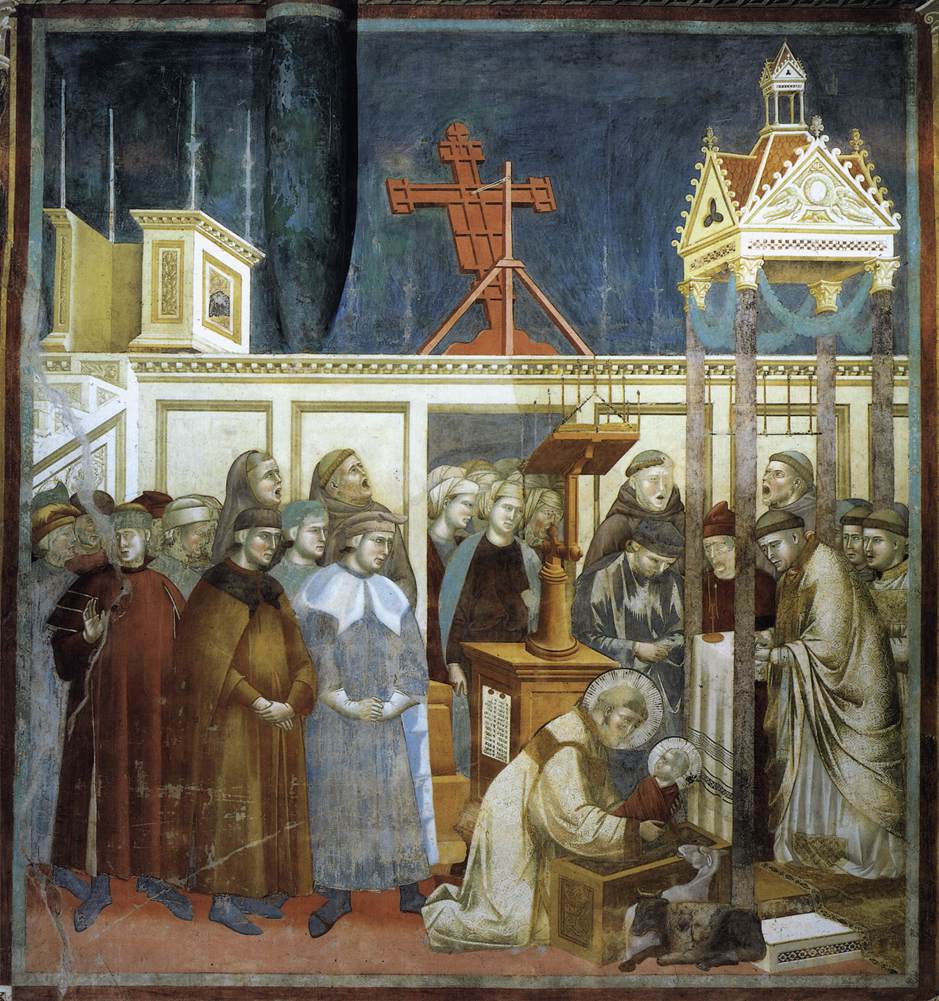
“O Little Town of Greccio” is about a similar theme: in the winter of 1223, St. Francis travelled to a little town in Rieti, Italy to escape the cold in Assisi and get healthy. Less than two years after this, Francis would die, and his writings show he was experiencing some end-of-life angst regarding the world, himself, and the Gospel. What Francis found within his escape from cold and darkness, was a vision of the beautiful light of the Christ Child, born in a manger. Francis was inspired, and so developed, along with the Greccio townsfolk, the first Crèche or Nativity scene–a tradition we still practice today around the world during the Christmas season.
This story within a story has very deeply inspired me, and so I hope that this little tune can shake the dust up; provide some laughter, tears, loudness, and quiet, so we can think about St. Francis and Christ and the homeless and immigrant and criminal and little towns in Italy and large cities in the Middle East and pagans and Christians and the Earth and Christmas trees and our neighbors and those traveling with warmth throughout the Church calendar. I hope and pray for you that the beauty of light amidst darkness would illuminate the winter season, and the Advent season.
“My Wandering Boy” is an uncredited song taken from the 19th edition of the “Little Red Song Book” of the Industrial Workers of the World movement. Undoubtedly, it was sung at many protests and rallies throughout the United States, fanning the flames of discontent and echoing, perhaps most poignantly, the thesis to its preamble: “ABOLITION OF THE WAGE SYSTEM.” This arrangement of the classic lyrical tradition is a tip of the hat, a raising of the picket sign, to the workers of today fanning the righteous flames of our rebellious hearts.
“The Lark and the Virgin of the Sun” was translated from a French poem by Jérôme and Jean Tharaud titled, “La Vierge aux Oiseaux,” taken from their work “Les Contes de la Vierge,” chronicling medieval lore about the Virgin Mary and miracles associated with her. In their poem, Mary meets three birds, oiseaux, while fleeing Herod’s men and asks each one to hide her and her baby boy. The first two sell her out, for fear of the wrath of Herod and by nature of truth-telling. The third, however, a lark, hides them, tells a lie, and tells a lie on that lie (“I cannot tell a lie”) in order to save the Virgin and Child. Ultimately, the lying bird gets blessed and the truth-telling oiseaux fall prey to hunters and go mad. Morality is fickle for birds. The English translation is a little loose, so that it rhymes; the arrangement aims to blend medieval and modern folk compositions.
“O Come, O Come Emmanuel” was originally translated to English by John Mason Neale, taken from the Latin “O Antiphons.” Emmanuel means, “God With Us.”
Ryan Bresnahan: lots of trombones
David Liestman: other instruments, comp & production
Leanne Richardson: operatic vocal lines
Stephen Rinker: very difficult piano part
Tierra Siles: voice of all motherly figures, including Mary
*”My Wandering Boy” lyrics taken from the “Little Red Song Book, original print 1923
*”The Lark and the Virgin of the Sun” translated by David Liestman from original French poem by Jérôme and Jean Tharaud
*”O Come, O Come Emmanuel” was originally translated to English by John Mason Neale, taken from the Latin “O Antiphons.” Emmanuel means, “God With Us.”
*guitars and banjo recorded on 1/4″ tape at 7.5 ips, Akai gx-4000d
*additional instruments and vocals recorded and mixed using Pro Tools 12
license
all rights reserved
 THE RESPONSORIAL OUT NOW